

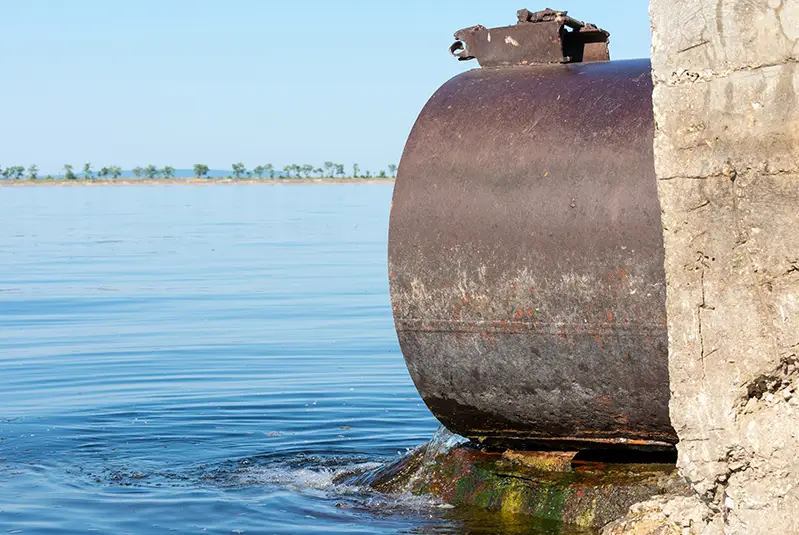
Storm water runoff is rain and melting snow that flows off building rooftops, driveways, lawns, streets, parking lots, construction sites, and industrial storage yards. Developed areas are covered by buildings and pavement which do not allow water to soak into the ground. Much of this water goes untreated and enters our lakes and rivers.
Resources & Publications
Wisconsin DNR Storm Water Runoff Website
Improper disposal of pet waste affects water quality and human health. This publication offers alternatives.
Protect our Lakes & Streams: Help Stop Polluted Water Runoff
This fact sheet looks at taking simple steps to clean up our lakes and streams, serious problems caused by sediments and nutrients, and offers suggestions on what can be done to help improve water quality in regards to polluted runoff
Impervious Surfaces: How they impact fish, wildlife and waterfront property values
When waterside residences are built, inevitably a quantity of land along the shore is covered by various surfaces impervious to water—roofs, driveways, roads, walkways, patios, and so forth. Rainfall no longer soaks into an almost entirely permeable landscape of dirt, sand, sedgy shores, and grassy banks, but instead much of it rushes unfiltered straight into the stream or lake, carrying with it sediment, nutrients, bacteria, car fluids, and other chemicals that pollute. The unhappy result is murkier water, fewer fish, declining wildlife populations, and lower property values.
Polluted Urban Runoff: A Source of Concern
This is a summary of the pollutants that originate in urban landscapes and run off into Wisconsin’s rivers and lakes. Pollutants include pesticides, various other chemicals, metals, and bacteria. Pie charts show the proportion of total pollution that originates on roofs, streets, parking lots, and so on.
Controlling Runoff and Erosion from Your Waterfront Property: A Guide for Landowners


