


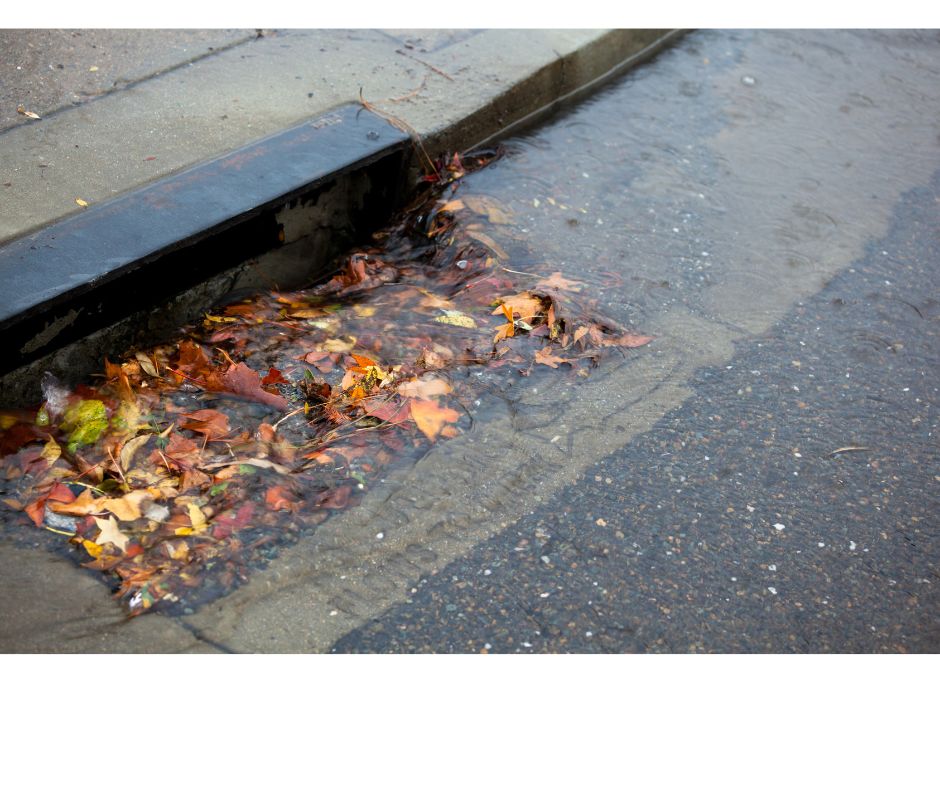
Each fall, as the colors change and leaves begin to fall, many of us rake them toward the street or down the curb. But when leaves wash into storm drains, rivers, or lakes, they release nutrients, especially phosphorus, that contribute to algae blooms, murky water, and oxygen depletion that harms fish and wildlife.
Properly managing leaves helps protect the health of Lake Wisconsin and our connected waterways. Small, mindful actions in our yards can make a big difference downstream.
Quick Facts
- Leaves are natural—but in excess, they become pollution. When they decompose in streets and waterways, they release phosphorus, a leading cause of algae blooms.
- Just one pound of phosphorus can produce up to 500 pounds of algae.
- Storm drains lead directly to our rivers and lakes—they do not filter out pollutants.
Why Are Leaves a Problem for the Lakes?
Leaves are rich in nutrients. When they wash into storm drains or streams, the nutrients they release fuel the growth of algae and aquatic weeds. This process, called nutrient loading, clouds the water, reduces oxygen levels, and disrupts aquatic ecosystems.
I Want to Manage Leaves on My Property. What Are My Options?
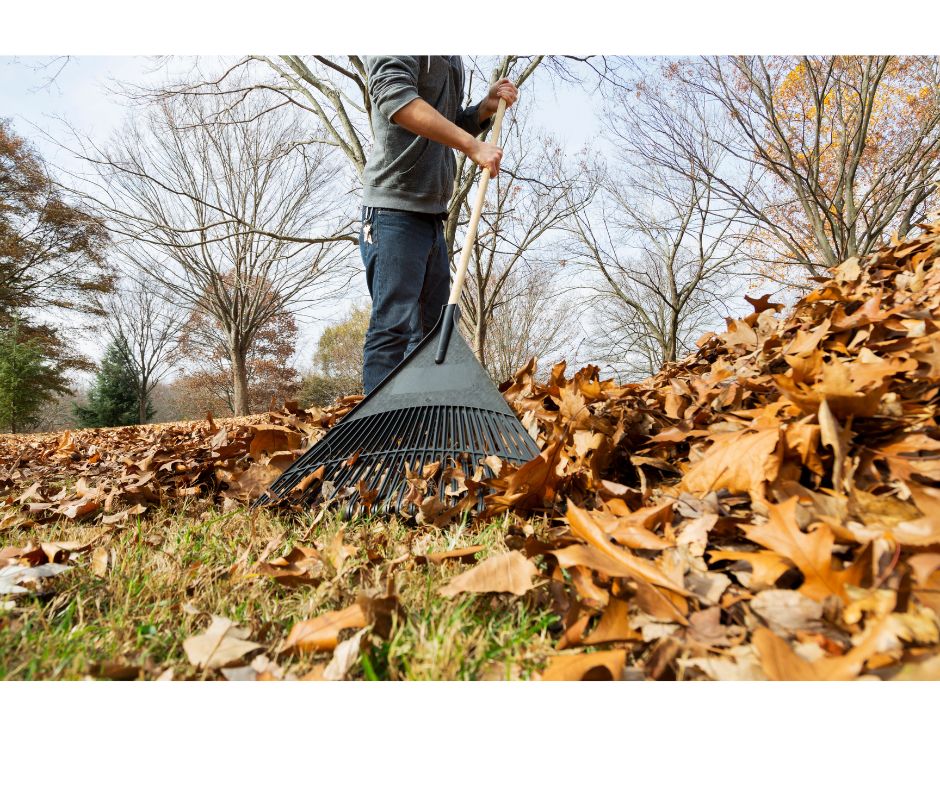
- Mulch in place: Mow leaves into your lawn to return nutrients to the soil naturally.
- Compost: Create a compost pile for leaves and yard waste.
- Bag and drop off: Bring leaves to your local municipal compost or yard-waste site.
- Keep storm drains clear: Never rake or blow leaves into the street or gutter.
What Is My Local Government Doing to Manage Leaves?
Here’s how local municipalities around Lake Wisconsin help homeowners manage yard waste responsibly:
- City of Lodi – Disposal of Yard & Garden Waste
- Town of Lodi – Resident Guide & Transfer Site Information
- Village of Sauk City – Yard Waste & Compost Information
- Town of Merrimac – Yard Waste Collection Schedule
- Town of West Point – Transfer Site and Recycling Center Booklet
- Columbia County – Solid Waste & Recycling Drop-off Locations
Leaves Are Part of Nature. Why Are They a Problem?
In forests, leaves decompose slowly on land, nourishing plants and trees. In urban and suburban areas, hard surfaces like pavement and streets channel rain—and leaves—directly into storm drains, which flow unfiltered into nearby rivers and lakes.
When too many leaves enter these systems at once, they cause sudden spikes in nutrients and oxygen demand, stressing aquatic life.
Aren’t Leaves a Small Problem Compared to Agriculture?
While agriculture contributes a large portion of annual phosphorus loads, urban runoff (including leaves) can be a major source of pollution during the fall. Managing leaves in residential areas is one of the easiest and most cost-effective ways to reduce nutrient pollution.Learn More
- UW–Madison Division of Extension: Managing Leaves to Protect Our Waters
- Wisconsin DNR: Urban Runoff and Water Quality
- Clean Lakes Alliance: Leaf-Free Streets Campaign
How You Can Help
Do your part this fall:
- Keep leaves out of streets and storm drains.
- Use municipal compost sites or mulch in place.
- Encourage neighbors to join in protecting Lake Wisconsin’s health.
Together, we can keep our lakes cleaner, our communities healthier, and our fall colors beautiful for generations to come.


